
Resources
How Often Should a Grease Trap Be Pumped in Texas?
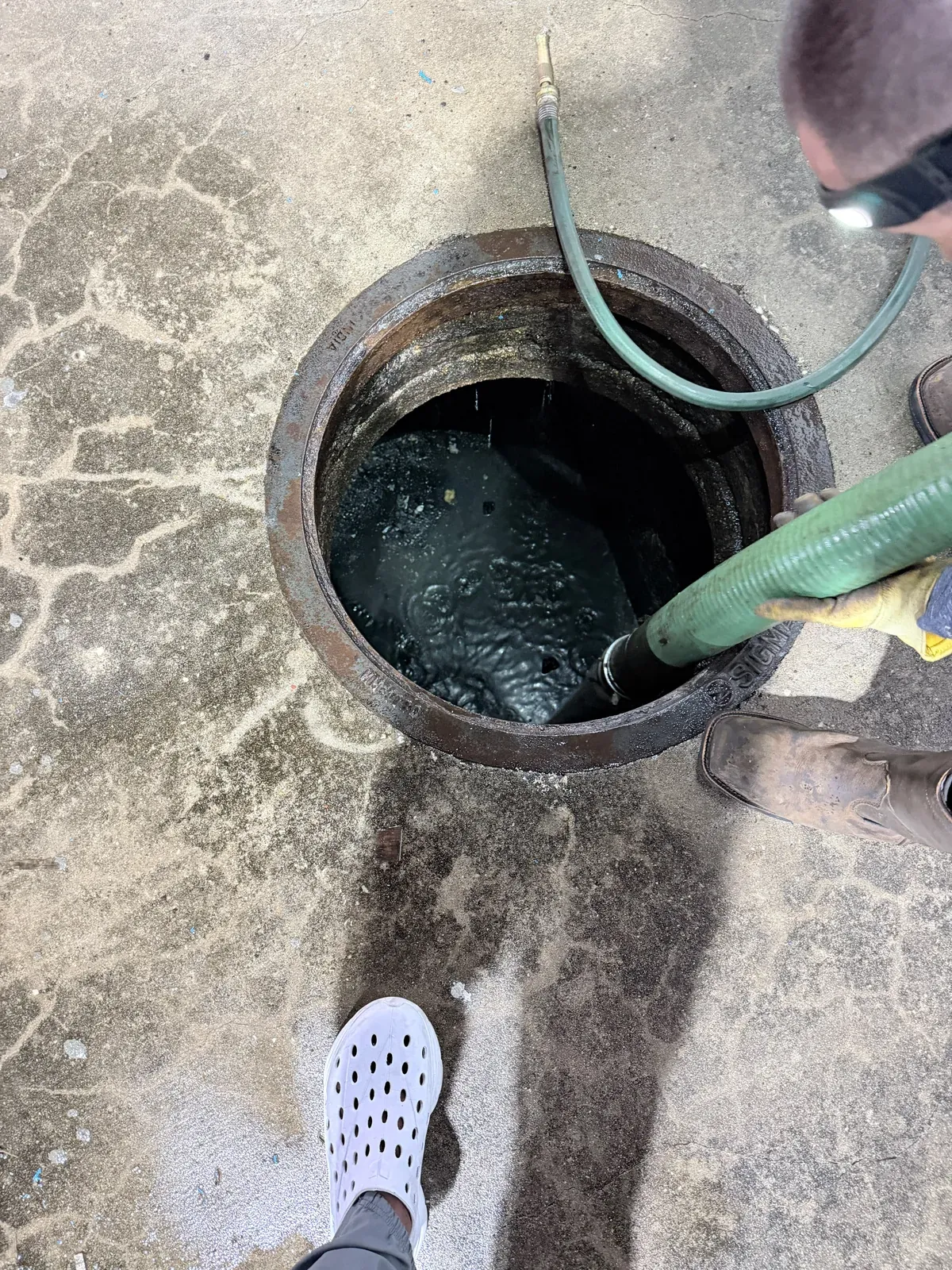
The short answer: before fats, oils, grease, and solids fill 25% of your trap's capacity — the widely used "25% rule" that many Texas municipalities enforce. Past that point, a trap stops separating grease effectively and starts passing it into the sewer, which is exactly what inspectors are checking for.
Typical schedules by operation
- High-volume kitchens (fried food, full-service restaurants, cafeterias): every 30–60 days
- Moderate kitchens (cafés, daycares, small food service): every 60–90 days
- Large exterior interceptors (1,000+ gallons): every 90 days is a common requirement
- Low-volume operations: quarterly at minimum — grease degrades and odors build even in slow kitchens
What determines your real frequency
Trap size, menu (fryers change everything), dish volume, and your city's ordinance. Many Houston-area municipalities require documented service at set intervals and can demand your manifests on the spot. Waiting until the trap "seems full" almost always means you've been out of compliance for weeks.
The honest answer for your kitchen
The right schedule is specific to your trap and your volume. Sewer Squad will inspect your trap, measure the FOG layer, and tell you exactly what interval keeps you compliant — then automate it with a maintenance plan so you never think about it again.